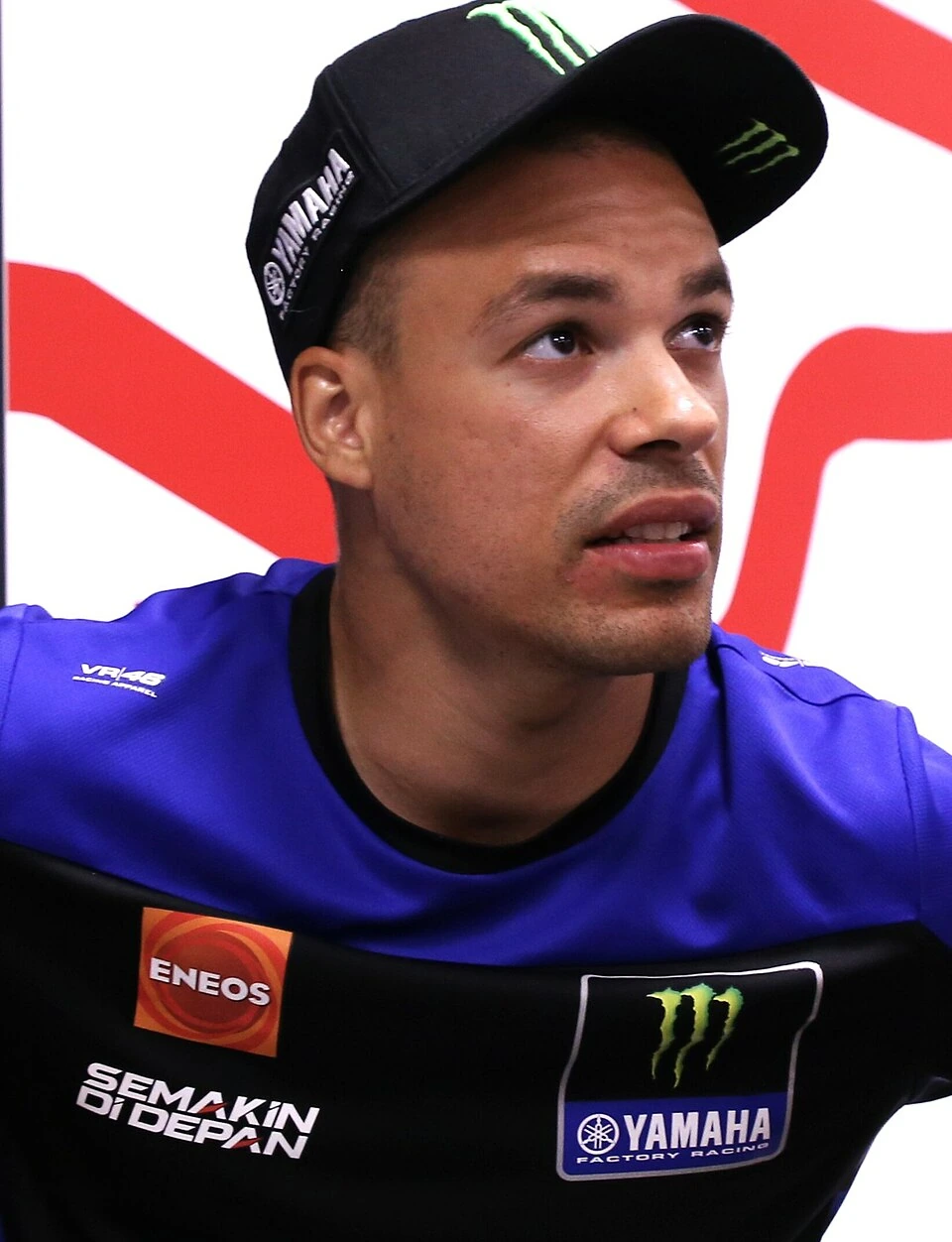
Suggested article title: Gian Franco Brignone Net Worth: The Man Who Built Careyes and What His Estate Was Worth | Meta description: Gian Franco Brignone net worth estimated at ~$200M at his 2022 death, based on Careyes land holdings, villa sales, and luxury real-estate comparables.
Gian Franco Brignone Net Worth 2026, Estimated Wealth

Marcus Holloway
16 Jul 2026
Gian Franco Brignone's estimated net worth at the time of his death in January 2022 was approximately USD 200 million, with a credible range of USD 75 million to USD 600 million. That wide spread is not a cop-out: it reflects genuine public-record gaps around how much of the Careyes estate he personally still owned versus how much had been sold or transferred to third-party villa buyers over five decades. The estate he created on Mexico's Costalegre coast, encompassing roughly 12 kilometres of Pacific coastline and around 1,500 hectares of jungle, mangrove, and beachfront, is the dominant driver of any reasonable estimate. No major wealth publication produced a standalone net-worth profile for him during his lifetime, so every figure here is a synthesis from verifiable property records, public listing prices, broker comparables, and press reporting, assembled as transparently as possible.
Quick snapshot
| Field | Detail |
|---|---|
| Estimate date | July 2026 (reflecting estate at death, January 9, 2022) |
| Best single-point estimate | USD 200 million |
| Credible range | USD 75 million – USD 600 million |
| Primary wealth driver | Careyes coastal real-estate estate, Costalegre, Mexico |
| Date of birth | April 15, 1926, Turin, Italy |
| Date of death | January 9, 2022 (age 95) |
| Profession | Banker, entrepreneur, real-estate developer |
| Nationality | Italian (long-term resident of Mexico) |
| Published net-worth listing (Forbes/Bloomberg) | None located |
Net worth summary table
| Wealth component | Estimated value (USD) | Confidence level | Notes |
|---|---|---|---|
| Careyes land and undeveloped coastal acreage | $50M – $300M | Moderate | Acreage figures vary in press (1,500 ha vs. larger figures); no public valuation located |
| Retained villa and residential units | $30M – $150M | Low–Moderate | Many villas sold to private owners; extent of personal retention unclear |
| Careyes boutique hotel and hospitality operations | $15M – $60M | Low | Operating revenue not publicly disclosed; comparables used |
| El Careyes Club & Residences (post-2013 project) | $10M – $50M | Low | Development-stage project; no public financials |
| European banking and financial interests (legacy) | Unquantified | Very low | Described in press but no public filings located |
| Other personal assets (art, vehicles, personal property) | Unquantified | Very low | No public inventory located |
| Known liabilities | Not publicly documented | N/A | No probate or debt filings found in open sources |
| Best composite estimate | ~$200 million | Low–Moderate | Mid-point of range; see methodology section |
Who was Gian Franco Brignone?
Gian Franco Brignone was an Italian banker and entrepreneur born in Turin on April 15, 1926, into a family with established banking interests. After World War II he expanded those financial connections into France, reportedly acquiring banking stakes in Paris. His real claim to lasting significance, however, came from a different kind of investment: in 1968 he spotted a stretch of undeveloped Pacific coastline in the Mexican state of Jalisco from a small plane, and spent the following five decades turning it into what is now known as Careyes, one of the most celebrated private luxury communities in the Americas. He died on January 9, 2022, at the age of 95, and his obituaries in both Italian and Mexican press celebrated him as the man who essentially invented the Costalegre as an international destination. By any measure, his was an unusual wealth story: less a trajectory of salary and bonuses, more a single enormous bet on raw land that compounded over half a century.
Professional highlights at a glance
- Born into a Turin banking family; built early wealth through post-war European banking and finance
- Founded the Careyes development on Mexico's Costalegre coastline, beginning in 1968
- Negotiated a Club Med lease in the early 1970s (circa 1972) to fund road access and early infrastructure
- Assembled approximately 12 kilometres of Pacific coastline and around 1,500 hectares over decades of acquisitions
- Developed a luxury community including dozens of private villas, casitas, and a boutique hotel
- Launched the El Careyes Club & Residences project from 2013 onward
- Awarded Mexico's Order of the Aztec Eagle (Orden Mexicana del Águila Azteca, grado Venera) in 2006
- Never appeared on a Forbes or Bloomberg billionaire or net-worth ranking
Chronological earnings and wealth milestones
| Period / Year | Milestone | Wealth impact |
|---|---|---|
| Pre-1968 | Inherited and expanded Turin banking family wealth; reportedly acquired banking interests in Paris post-WWII | Established early capital base; no public figures available |
| 1968 | First land acquisitions on the Costalegre coastline; founding of the Costa/Careyes project | Long-term wealth catalyst; land purchased at low per-hectare prices |
| Early 1970s (c. 1972) | Club Med lease negotiated for a tract within the estate; lease revenues used to fund road access and infrastructure | Converted illiquid land into development capital; pivotal for viability of the project |
| 1970s–1980s | Incremental land acquisitions; early villa construction and private sales to international buyers | Gradual monetisation of estate through villa sales and leases |
| 1980s–1990s | Careyes community grows into a recognised luxury destination; boutique hotel operations established | Hospitality income begins; brand premium on real estate increases |
| 2006 | Awarded Mexico's Order of the Aztec Eagle for contributions to tourism and the Jalisco region | Non-financial milestone; underscores long-standing institutional relationships |
| 2013 onward | Launch of El Careyes Club & Residences, a new development phase within the Careyes footprint | Additional monetisation of retained land; development equity created |
| 2020s (to Jan 2022) | Final years; estate management and legacy planning; continued villa and hospitality operations | Estate value sustained by ongoing demand for Careyes properties |
| January 9, 2022 | Death at age 95; estate passes to family | Net worth crystallised at estimated ~$200M (range $75M–$600M) |
Where the money came from: income sources broken down
Banking and financial inheritance
Brignone's earliest capital came from his Turin family's banking background. Press profiles describe him as the scion of a banking family and recount that he expanded those interests into Paris after WWII. No public filings, shareholding records, or asset declarations for those banking interests have been located in open sources. It is reasonable to treat this as the funding mechanism for his initial Mexican land purchases in 1968, but it cannot be quantified from available evidence.
Real-estate development and villa sales
The single largest verifiable income stream over Brignone's lifetime was the development and incremental sale or lease of residential units within the Careyes estate. Public broker listings and press coverage show individual Careyes villas appearing on the market with asking prices in the seven-figure range: Forbes Global Properties has featured Careyes listings at USD 7.5 million and above. Broker and luxury real-estate coverage for the Costalegre region puts casitas and one-bedroom units in the high-six-figure to low-seven-figure range, with oceanfront villas and the most prominent 'castle' properties quoted from roughly USD 2.5 million up to USD 40 million. The community contains, depending on which press account you consult, somewhere between 40 and 65 private villas and around 40 casitas, in addition to hotel suites. Not all of those units were personally owned by Brignone: many were sold outright to private international buyers over the decades, which is precisely why the total estate value is hard to pin down.
Hospitality and rental income
Careyes operates a boutique hotel component, and public-facing pricing shows nightly rates ranging from a few hundred dollars for casitas to several thousand for clifftop villas and the signature 'castles.' Annual revenue from hospitality operations has never been publicly disclosed. Using standard hospitality valuation multiples and the observable room inventory, this segment is a meaningful but secondary contributor to total estate value relative to the underlying real estate.
The Club Med lease and infrastructure financing
One of the most concrete documented transactions in Brignone's wealth timeline is the early-1970s lease of a coastal tract to Club Med, reported consistently across multiple long-form features on Careyes history. Feature reporting documents Careyes development history, noting the lease to Club Med in the early 1970s and subsequent phased real‑estate development and villa sales. The lease gave Brignone the cash to build the access road and early infrastructure that made the broader estate commercially viable. Without that deal, the compound economics of Careyes as a luxury destination might never have materialized. It was, in effect, a bootstrap transaction that converted raw land into a functioning resort community.
El Careyes Club & Residences
From 2013 onward, press coverage documents the launch of El Careyes Club & Residences, a new development phase within the Careyes footprint. No financial disclosures, sales figures, or project valuation have been published. This project represents incremental monetisation of land that was either retained from original acquisitions or newly assembled, and it contributes to the upper end of the estate-value range.
Endorsements and royalties
No endorsement deals, licensing royalties, or brand-partnership agreements have been publicly documented for Gian Franco Brignone. His wealth was built through land and development, not media or consumer-product channels.
Major assets, liabilities, and holdings
Properties
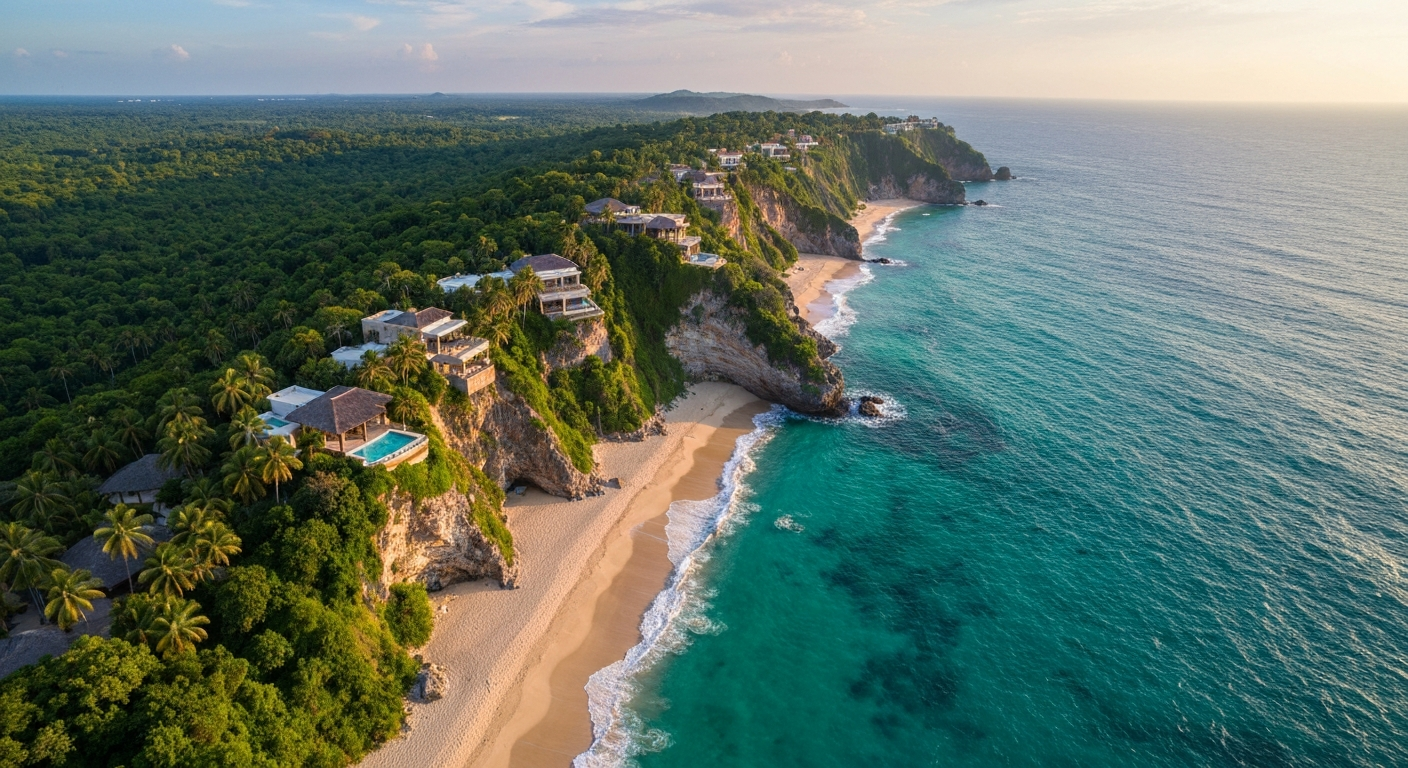
The Careyes estate is the dominant documented asset. Press reporting consistently describes it as encompassing approximately 12 kilometres of Pacific coastline and around 1,500 hectares of coastal jungle, mangrove, and beach in the state of Jalisco, Mexico. International press including Forbes has used larger figures, variously describing 8 to 9 miles of coastline and up to 35,000 acres in headline copy. The discrepancy likely reflects different boundaries being drawn around the broader Costalegre region versus the Brignone-controlled core. For this estimate, the more conservative 1,500-hectare figure from local reporting is used as the primary basis, with the larger international figures informing the upper end of the range. European properties or personal residences beyond the Mexico estate have not been documented in available public sources.
Business interests
Beyond the Careyes real-estate and hospitality operation, Brignone's documented business interests include the El Careyes Club & Residences development project (launched 2013). Legacy European banking interests are mentioned in biographical profiles but have not been traced to specific public filings or current valuations. No shareholdings in publicly traded companies have been located in open sources.
Liabilities
No public records of mortgages, loans, litigation judgments, or other liabilities against the Brignone estate have been located. The absence of public documentation does not mean liabilities do not exist; it means they cannot be incorporated into this estimate with any confidence. Any reader should treat the net-worth figure as a gross asset estimate with unknown liabilities subtracted.
Notable deals and milestones that moved the needle
- 1968: Initial Costalegre land acquisition. Brignone purchases the first tracts of what will become Careyes, reportedly at low per-hectare prices typical of remote, undeveloped Mexican coastline in that era. This single decision is the foundation of all subsequent wealth.
- Early 1970s (c. 1972): Club Med lease. A tract within the estate is leased to Club Med, generating capital to build road access and infrastructure. Without this deal, development of the broader estate likely would have stalled.
- 1970s–1990s (ongoing): Private villa sales and leases. Individual lots and completed villas are sold or leased to international buyers, generating recurring liquidity and establishing Careyes as a recognisable luxury brand.
- 2006: Order of the Aztec Eagle. The Mexican government formally recognises Brignone's role in developing the Costalegre region for tourism, cementing institutional goodwill and the estate's standing.
- 2013: El Careyes Club & Residences launch. A new development phase is announced, reflecting continued demand for Careyes-branded real estate and potentially adding meaningful incremental value to retained landholdings.
- January 9, 2022: Death at age 95. The estate, accumulated over more than 50 years, passes to the Brignone family. No public probate valuation has been published.
Gian Franco Brignone vs. Gianfranco Brignone: name variants and who you might be looking for
The subject of this article appears in print under both 'Gian Franco Brignone' (two words) and 'Gianfranco Brignone' (one word). Both forms refer to the same individual: the Turin-born Italian banker and founder of Careyes. This is simply an Italian naming convention where the given name 'Gian Franco' is sometimes written as a compound. All sources consulted, including the Mexican government's official Diario Oficial decree awarding him the Order of the Aztec Eagle, the Careyes official website, and his obituary coverage, are consistent in referring to the same person.
There are a small number of other public figures who share the Brignone surname. Federica Brignone is an Italian alpine ski racer who has appeared in international sports coverage; she is not the same person and is not related to the subject of this article in any way that has been publicly documented as relevant to a net-worth profile. If you arrived here searching for a racing or sports figure named Brignone, that is a different individual. Similarly, 'Gian Franco' is a common Italian given name, and searches may surface other professionals with similar names: the banker and Careyes founder, born 1926 and deceased January 2022, is the specific individual profiled here.
How this estimate was built: assumptions, data transparency, and confidence
The USD 200 million best-estimate and USD 75 million to USD 600 million range were derived from a bottom-up approach using only verifiable public facts. No proprietary financial data, insider sources, or undisclosed documents were used.
Inputs used
- Land area: 1,500 hectares reported by El Informador (conservative anchor); larger figures (up to ~14,000 hectares implied by '35,000 acres' in some international press) used to define the upper bound
- Comparable property values: Forbes Global Properties listing examples at USD 7.5M+ per villa; broker and regional real-estate coverage (LPR Luxury) quoting casitas at high-six-figure to low-seven-figure and oceanfront villas from USD 2.5M to USD 40M
- Property count: 40 to 65 private villas and approximately 40 casitas per Forbes and Careyes press materials (count variance incorporated into range)
- Hospitality operations: estimated using standard boutique-hotel valuation multiples applied to observable room inventory and publicly listed nightly rates
- European banking interests: excluded from the central estimate due to no available public documentation; acknowledged as a potential upside factor
- Liabilities: not incorporated; no public filings located
Key uncertainties that keep this a range, not a number
- Acreage discrepancy: El Informador reports approximately 1,500 hectares; Forbes and international travel press use figures that imply several times that area. The correct total affects land value significantly.
- Ownership disaggregation: many Careyes villas are owned by private international buyers, not by the Brignone estate. No public registry breakdown of which parcels remained personally owned at death has been located.
- No probate, trust, or estate filing: no official asset or liability ledger from the Brignone estate has appeared in any open public source as of the date of this article.
- Legacy banking interests: described in multiple biographical profiles but impossible to quantify from public records.
- Currency and market timing: all comparables are drawn from USD-denominated press listings; peso fluctuations and local market conditions at time of death may diverge from those comparables.
Confidence level: Low to moderate. The lower bound of USD 75 million reflects a scenario where most of the high-value villa inventory had been sold outright and only the remaining land and operating businesses were retained. The upper bound of USD 600 million reflects a scenario where press accounts using the larger acreage figures are accurate and most of the developed villa inventory remained within the estate. The USD 200 million midpoint is the most defensible single figure given the weight of evidence, but readers and researchers should treat the full range as the honest answer.
Common questions about the estimate
Was Gian Franco Brignone a billionaire?
Probably not, based on available evidence. The upper bound of the estimate reaches USD 600 million, still below the billionaire threshold. Reaching a billion would require a combination of the largest reported acreage figures being accurate, most of the villa inventory remaining personally owned, and undisclosed European financial assets adding materially to the total. None of those conditions can be confirmed from public records. He was, however, almost certainly among the wealthiest individuals in the Mexican luxury real-estate world by the end of his life.
Why isn't there a Forbes net-worth number for him?
Forbes profiles Careyes extensively as a destination and has covered Careyes real-estate listings through Forbes Global Properties, but it has not published a standalone net-worth estimate for Brignone. Forbes (site; coverage of Careyes but no standalone net-worth profile for Brignone) has profiled Careyes and its listings through Forbes Global Properties but does not publish an independent net‑worth profile for Gian Franco Brignone. That is consistent with his profile as a private developer rather than a public-company executive, tech founder, or media personality. Wealth of this kind, held in private real estate and family businesses, rarely surfaces in the major wealth indexes unless the owner chooses to disclose it or goes through a liquidity event (IPO, large-scale sale) that creates a public record.
How does this compare to other luxury real-estate developers?
A USD 200 million estimate puts Brignone comfortably in the upper tier of private resort developers but well below the headline figures associated with, say, the world's largest hotel chains or publicly traded real-estate investment trusts. For context, individual Careyes villa listings in the USD 7.5 million to USD 40 million range are consistent with comparable luxury coastal developments in Mexico, Costa Rica, and the Caribbean. The wealth pattern here, patient accumulation of illiquid coastal land over 50 years rather than fast-moving capital markets, is genuinely unusual and more analogous to a family land dynasty than a finance-industry wealth story. For another relevant comparison, see bruno francois cycloramic net worth.
Is the estate still in the Brignone family?
Obituary and press coverage at the time of Brignone's death in January 2022 identifies surviving family members as heirs. Careyes continues to operate as a functioning luxury community and hospitality destination. No public announcement of a sale, portfolio liquidation, or transfer of the estate outside the family has been located as of July 2026.
Other Franco profiles worth exploring
The Francis Net Worth site organises profiles by name variation as well as profession, which means Gian Franco Brignone sits alongside a range of other notable public figures who share the Franco name root. Readers interested in how wealth accumulates across different industries and professions may find useful comparisons in the profile of Franco Morbidelli, the Italian MotoGP racer whose earnings trajectory illustrates how elite motorsport athletes build (and sometimes lose) wealth through a very different route than real-estate development. The profile of Franco Beretta offers a look at wealth derived from a centuries-old Italian manufacturing family, making it an interesting structural parallel to Brignone's own family-inheritance starting point. For those interested in the entertainment and creative world, the Franco Amurri profile covers a different kind of Italian-born figure who built his career internationally. And for an entrepreneurial tech angle from within the Franco name universe, the Bruno Francois Cycloramic profile shows a modern app-economy wealth story that could not be more different in mechanism from Brignone's patient, land-based approach.
Visual assets and image suggestions
| Image description | Suggested alt text | Placement |
|---|---|---|
| Portrait photograph of Gian Franco Brignone, formal or semi-formal, later years | Gian Franco Brignone, Italian banker and founder of Careyes, Mexico | Near article opening, above or below the quick snapshot table |
| Aerial photograph of the Careyes coastline showing the scale of the estate and Pacific Ocean frontage | Aerial view of the Careyes estate on Mexico's Costalegre coast, founded by Gian Franco Brignone in 1968 | Adjacent to the land/assets section |
| Photograph of a Careyes villa or castle structure with Pacific Ocean backdrop | Luxury villa at Careyes, Mexico, illustrating the property values underpinning Gian Franco Brignone's estimated net worth | Within the income sources or assets section |
| Timeline graphic: horizontal infographic showing key milestones from 1926 birth through 2022 death | Chronological wealth timeline of Gian Franco Brignone from 1926 to 2022, including Careyes founding and Club Med lease | Adjacent to the earnings timeline table |
| Order of the Aztec Eagle medal or official ceremony photograph (if publicly available) | Mexico's Order of the Aztec Eagle, awarded to Gian Franco Brignone in 2006 for contributions to tourism | Within the milestones section |
FAQ
What is Gian Franco Brignone’s estimated net worth as of January 2022?
Best single‑point estimate: approximately USD 200 million as of January 2022 (date of death). Credible range: USD 75 million – USD 600 million. This range reflects variance in reported estate acreage, differing property‑count reports, and limited public documentation of which parcels remained personally owned.
How was the USD 200 million estimate calculated?
The estimate is a synthesis using: (1) contemporaneous press reports of roughly 12 km of coastline and ~1,500 hectares (with other outlets reporting larger acreages); (2) publicly reported counts of villas/casitas/suites (roughly 40–65 villas, 40 casitas, ~60–71 suites); (3) market comparables and broker/listing prices for Careyes properties (high‑six‑figure to multi‑million‑dollar per unit sale/listing prices and luxury nightly rates); and (4) documented historical transactions (e.g., Club Med lease) that shaped estate value. The range widens to account for reporting variance and unverified ownership of individual parcels.
What are the primary sources of Brignone’s wealth included in the estimate?
Primary income/wealth sources considered: (a) value of land and built real estate at Careyes (villas, casitas, boutique hotels, undeveloped coastal parcels); (b) proceeds from historical leases/sales (e.g., Club Med lease in the early 1970s) and incremental villa sales/leases; (c) hospitality‑brand earnings tied to Careyes projects (rentals, hospitality services, branded developments); and (d) earlier banking/financier family capital that enabled initial land purchases. Unverified offshore or private banking holdings were excluded from the core estimate due to lack of public documentation.
What major assets and liabilities were included or excluded?
Included: reported Careyes land holdings and built inventory (private villas, casitas, hotel suites), plus documented hospitality project interests. Excluded or treated as uncertain: undisclosed bank accounts, trust structures, private corporate holdings, potential mortgages or liens not found in public sources, and assets for which no verifiable public record was located. The exclusion of unverified financial holdings is a principal reason for the estimate range.
Which notable transactions materially affected Brignone’s wealth?
Documented notable events: (1) early 1970s lease/sale of a tract to Club Med to fund infrastructure (widely reported); (2) decades of phased development and incremental private‑owner villa sales and hospitality operations at Careyes; and (3) later branded/residential projects (for example El Careyes Club & Residences from the 2010s onward). These events generated liquidity and increased estate value per public reporting.
Why doesn’t a definitive net‑worth figure exist in public records?
No independent published net‑worth valuation (Forbes/Bloomberg billionaire lists or equivalent profiles) was found for Gian Franco Brignone. Public sources disagree on total acreage and which parcels were personally owned versus sold to private owners. There are no publicly available probate accounts, securities filings, or detailed asset ledgers in open sources to produce a single authoritative figure.