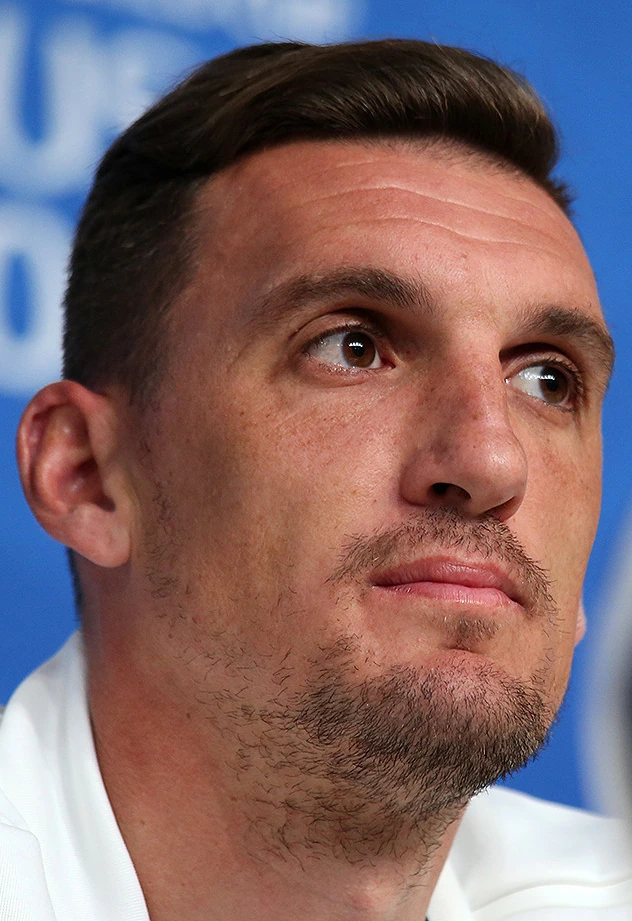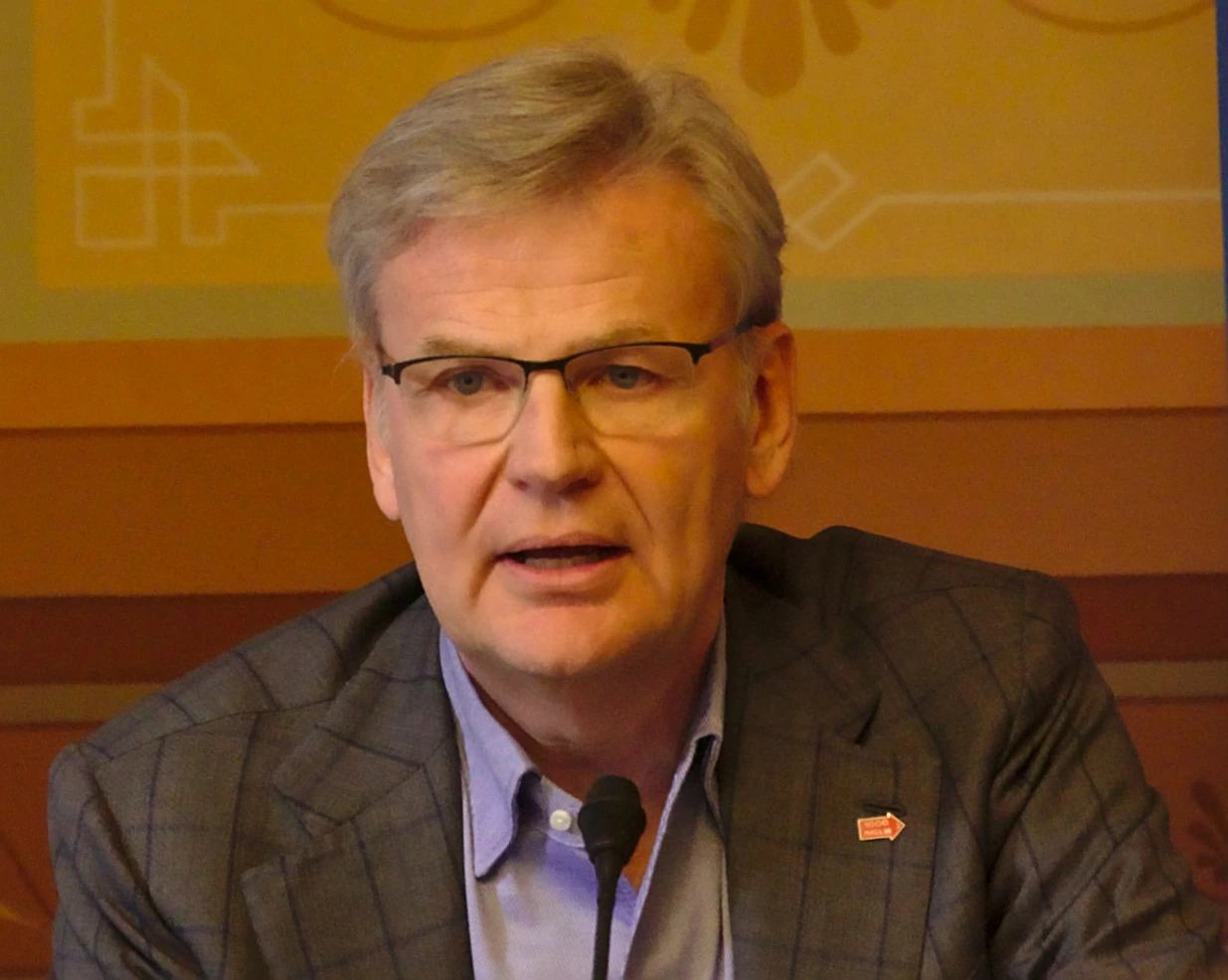
Franco Dragone, the Italian-born Belgian theatre director who created some of the most iconic live shows on earth, passed away on September 30, 2022 at age 69. At the time of his death, credible estimates placed his net worth in the range of $50 million to $100 million, reflecting decades of royalty streams, company ownership, and high-value residency deals. Because he ran a private company with a deliberately complex offshore structure, no single verified figure exists, and that range is the most defensible one you will find.
Franco Dragone Net Worth: Estimate, Sources, and Breakdown

Marcus Holloway
9 Jul 2026

Who Franco Dragone was and why his wealth matters
Franco Dragone was born December 12, 1952 in Cairano, Italy and spent most of his career in Belgium. He is best known as the creative director behind seven landmark Cirque du Soleil productions, including Mystère, Alegría, Quidam, and the water-spectacular "O" at the Bellagio in Las Vegas. After an amicable split from Cirque du Soleil in 2000, he founded the Franco Dragone Entertainment Group (FDEG), later shortened to simply Dragone, headquartered in his hometown of La Louvière, Belgium.
That move transformed him from a salaried creative director into a business owner controlling IP, production rights, and licensing. His subsequent productions, including the House of Dancing Water at the City of Dreams resort in Macau (a partnership with Melco Resorts and Entertainment), solidified him as an independent force in live entertainment rather than just a celebrated collaborator.
His wealth matters to track because Dragone represents a specific and underanalyzed path to wealth in entertainment: the creative entrepreneur model. Unlike a film director paid per project, Dragone built a company that retained IP, signed residency contracts worth tens of millions, and spun off licensing revenue across multiple continents. Understanding his finances helps readers benchmark what that career path actually generates financially, which is a genuinely useful data point whether you are a researcher, a fan, or someone working in live entertainment yourself.
Making sure you have the right person

The name Franco Dragone is specific enough that confusion is rare, but it is worth a quick check. The person this article covers has four clear identity markers: born December 12, 1952 in Cairano, Italy; died September 30, 2022 in Cairo, Egypt; nationality Italian-Belgian; and founder of Dragone (company), based in La Louvière, Belgium. If you see those details confirmed by a source, you have the right person.
If you encounter a source about someone named Francisco Dragone, or a company called Dragoneer (which appears in SEC filings related to General Atlantic and has absolutely no connection to Franco Dragone), you are looking at a different entity entirely. Belgian corporate records list his company as "Productions Du Dragon" and associated holding structures under variations of the Dragone name, so when searching company databases, cross-reference against the Belgian registration number rather than relying on name spelling alone.
Where the net worth estimate actually comes from
Franco Dragone ran a private company, which means no public filings with audited revenue figures, no stock price, and no IPO prospectus to anchor an estimate. Instead, researchers piece together a picture from several directions: known contract values for major residency shows, company registration data in Belgium, investigative reporting on offshore holding structures, and comparable deal benchmarks from the broader live-entertainment industry.
Belgian investigative outlet Le Vif published detailed reporting on Dragone's corporate architecture, describing a constellation of offshore entities including a holding company called Canterlo Ltd. , in which Dragone reportedly held a 99. 99% shareholder stake, and a separate entity called Lina International. These vehicles appear to have been used to channel IP royalties and licensing fees outside Belgium, which is a common (if legally contested) wealth-management strategy for European creative entrepreneurs.
Le Vif describes this offshore constellation of entities as a way to channel IP royalties and licensing fees outside Belgium, which can affect how Dragone's net worth is estimated. That reporting, combined with what is publicly known about the scale of shows like the House of Dancing Water (which ran for roughly a decade in Macau and was produced under a direct partnership with Melco Resorts), forms the factual backbone of any serious estimate.
If you are looking specifically for Franco Gussalli Beretta net worth, use the same sourcing logic and confirm which corporate vehicles and restructuring events each estimate includes serious estimate.
The company also went through a formal reorganization plan, with RTL Info reporting in September 2018 that Dragone was executing a restructuring. That event is significant for net-worth tracking because reorganizations can involve asset transfers, debt settlements, and ownership changes that permanently alter a founder's personal wealth. Any estimate that does not account for the post-2018 restructuring period should be treated with extra skepticism.
Career timeline and the moments that built his wealth

Understanding where Dragone's money came from requires following the career arc, because the wealth built in distinct phases.
- 1984–2000: Cirque du Soleil era. Dragone joined Cirque du Soleil in the mid-1980s and directed seven full productions over roughly 12 years, including Nouvelle Expérience, Saltimbanco, Alegría, Quidam, Mystère, O, and La Nouba. As a director-for-hire at a private company, his earnings during this period were substantial but not equity-based. He was not an owner of Cirque du Soleil and did not benefit from the valuation that made co-founder Guy Laliberté a billionaire.
- 2000: Founded Franco Dragone Entertainment Group. The split from Cirque du Soleil was described as amicable, and it marked the transition from creative employee to business owner. FDEG was incorporated in La Louvière, Belgium, giving Dragone control over future IP and production rights.
- 2003–2010: Celine Dion residency at Caesars Palace. Dragone directed 'A New Day...' for Celine Dion, a residency that ran from 2003 to 2007 and grossed over $400 million in ticket sales. While Dragone would have earned a directing and creative fee rather than a revenue share, contracts at this scale typically include backend provisions and future IP rights for the production design. This residency established FDEG's credibility for large-scale resort deals.
- 2010–2019: House of Dancing Water, Macau. The partnership with Melco Resorts for the House of Dancing Water at City of Dreams was the company's flagship post-Cirque production. Melco investor materials confirm Dragone remained as Artistic Director and Founder throughout the show's run. A custom-built theater with a 3.7 million gallon pool was constructed for the production, indicating a capital-intensive long-term contract. This kind of deal typically includes ongoing creative director fees, royalties on ticket revenue, and milestone payments.
- 2018: Company restructuring. The reorganization plan Dragone executed in 2018 likely restructured debt and ownership. This is the most opaque period in terms of personal wealth impact.
- 2022: Death in Cairo, Egypt, September 30. At his death, the company continued operating as Dragone, with his legacy productions and company structure passing to successors.
The net worth range and what may have changed over time
The most defensible estimate for Franco Dragone's net worth at the time of his death in late 2022 is between $50 million and $100 million. The lower end reflects what can be reasonably attributed to his personal stake in FDEG after the 2018 restructuring, known directorial fee income from major shows, and reported offshore holding structures. The upper end accounts for the possibility that Canterlo Ltd. and related entities held significant undisclosed IP assets and royalty contracts that were not fully unwound by the restructuring.
Historically, Dragone's net worth was almost certainly growing steadily through the 2003 to 2015 window, when the Celine Dion residency and the House of Dancing Water were both generating high revenue. The 2018 restructuring is the clearest potential inflection point downward, though a reorganization does not necessarily mean personal wealth evaporated. It can mean debts were renegotiated, operations were streamlined, or ownership shifted within the corporate structure without necessarily touching the founder's personal holdings.
It is also worth noting that Dragone died in Cairo, suggesting active international work near the end of his life. Melco documents confirm he was still attached to major projects, which implies ongoing fee income right up until his death. That supports the higher end of the range rather than the lower.
Why different sites report different numbers
You will find estimates for Franco Dragone's net worth ranging from a few million dollars all the way past $150 million depending on the site. Almost all of those numbers are either copied from each other or generated by algorithmic estimates that input career length and industry into a formula. None of them are based on audited financials, because no audited personal financials for Franco Dragone exist in the public domain.
The key variables that cause estimates to diverge are: whether the site accounts for the 2018 restructuring (most do not); whether the site includes offshore holding company assets (almost none do); whether the site correctly distinguishes between Cirque du Soleil-era income (where Dragone had no equity) and FDEG-era income (where he did); and whether the site has been updated to reflect his death in 2022 and any estate or asset transfer events since then. A site showing a stagnant $80 million figure from 2015 is not wrong in concept, but it is not current either.
How Dragone compares to other entertainment producers and directors
To put the $50 million to $100 million range in context, it helps to look at comparable figures in live entertainment. Guy Laliberté, co-founder of Cirque du Soleil and the most prominent name in the same industry, was estimated by Forbes at around $1.5 billion after selling a minority stake in Cirque to Istithmar World in 2008 to 2009. That gap is instructive: Laliberté was an equity owner of the entire Cirque enterprise from the beginning, while Dragone was a director-for-hire during his Cirque years and only became an owner when he formed FDEG in 2000. Founding a company in your late 40s with no external investors means slower wealth compounding, even if your creative output is comparable.
Among other creative entrepreneurs in live entertainment, Robert Lepage (another major theatrical director with major Cirque connections) has no verified public net worth estimate, which illustrates how opaque this niche is. Broadway and Las Vegas residency producers with similar deal profiles typically accumulate personal wealth in the $20 million to $150 million range, depending on equity stakes, royalty structures, and how much they personally own versus merely direct. Dragone's estimated range sits comfortably in the middle of that band, which is consistent with someone who controlled his own IP for roughly 20 years but also ran a capital-intensive operation that required ongoing investment and encountered at least one major financial restructuring.
| Name | Role | Estimated Net Worth | Wealth Source |
|---|---|---|---|
| Franco Dragone | Director, FDEG founder | $50M–$100M (est.) | Show fees, IP royalties, company ownership |
| Guy Laliberté | Cirque du Soleil co-founder | ~$1.5B (Forbes est.) | Equity stake in global live-entertainment enterprise |
| Robert Lepage | Theatre/show director | Not publicly verified | Directorial fees, Ex Machina company |
| Typical Las Vegas residency producer | Independent producer | $20M–$150M (range) | Backend deals, equity in show IP |
The comparison underscores a broader pattern visible across this site's coverage of entertainment figures: the difference between a creative-for-hire and a creative-owner is enormous. Dragone made that transition in 2000 and accumulated real wealth as a result, but he was never in the same league as someone like Laliberté who had equity in a global brand from the start. That is not a knock on Dragone's legacy, which is extraordinary. It is just how wealth accumulation in entertainment actually works.
How to research and validate this yourself

If you want to go beyond this article and try to refine the estimate, here is a practical checklist of steps and what counts as high-confidence versus low-confidence evidence.
- Search Belgian company registries. The company 'Productions Du Dragon' is registered in Belgium and has a searchable company number. Sites like Pappers.be and Companyweb.be list governance and ownership changes. This is high-confidence evidence because it reflects official filings.
- Check Le Vif's investigative series. Le Vif (a Belgian news outlet) published detailed reporting on Dragone's offshore entity network, including references to Canterlo Ltd. and Lina International. This is medium-confidence evidence, good for understanding structure but not an audited balance sheet.
- Look for Melco Resorts investor documents. Melco is publicly traded and filed documents confirming Dragone's role and the nature of the House of Dancing Water partnership. These are high-confidence for establishing the existence and scale of the deal, though not for his personal take from it.
- Cross-reference estate or probate records. Dragone died in 2022. Depending on Belgian inheritance law and where assets were held, some estate information may eventually become public. This is currently low-confidence because such records are not yet widely available.
- Be skeptical of net worth aggregator sites. Sites that show a single round number with no sourcing or methodology note are almost certainly using algorithmic estimates. Treat them as rough orientation, not verified data.
- Benchmark against known Cirque-era deal structures. Publicly available reporting on Cirque du Soleil contracts and residency deals can help you estimate directorial fee ranges for shows at the scale Dragone directed. This gives you a floor for his cumulative income.
- Avoid confusing Dragoneer Investment Group with Dragone. Dragoneer appears in SEC filings and is a U.S.-based tech investor with no connection to Franco Dragone. Filtering search results carefully will save you time.
The honest reality is that Franco Dragone's final net worth will probably never be verified to a precise figure. He was a private individual who ran a private company through a deliberately layered corporate structure. What you can say with confidence is that the $50 million to $100 million range is grounded in known deal scales, confirmed company ownership, and investigative reporting on his asset structure, making it more defensible than either the very low or very high estimates you will encounter elsewhere. For a creative director who spent his career building other people's visions before building his own company, that is a substantial and well-earned accumulation.
FAQ
Why do net worth sites disagree so much on Franco Dragone’s net worth figures?
Most discrepancies come from whether they treat him as an equity owner (FDEG era, where IP and licensing could be personally valuable) or as a hired creative director (Cirque era, where he likely had limited upside). Another common issue is failing to update estimates after the 2018 restructuring, which can permanently change who owns which royalties or production rights.
How much does the 2018 restructuring actually matter to Franco Dragone’s personal wealth estimate?
It matters because reorganizations can shift assets into new holding vehicles, renegotiate debts, and reassign licensing rights. Even if show revenues stayed strong, the founder’s personal net worth can drop (if assets moved away) or remain stable (if personal control of specific IP streams was preserved). Any estimate that ignores this date should be treated as lower confidence.
Do we know whether Franco Dragone’s offshore holding companies were still major asset owners at his death?
Not precisely from public audited documents. What researchers can do is triangulate whether the holding entities mentioned in investigative reporting continued to exist, retained ownership stakes, and were still connected to licensing or royalty flows after 2018. Without that confirmation, estimates that assume assets were fully unwound or fully retained are both at higher risk of being wrong.
Is Franco Dragone’s net worth mainly from show salaries or from IP and licensing royalties?
For his Cirque period, compensation would have been largely fee-based, with smaller or unclear equity upside. For the FDEG era, the more distinctive wealth mechanism is ownership or control of IP-related production rights and the licensing revenue tied to long-running residencies and subsequent use of show formats, music, staging, and associated brand assets.
What is the biggest mistake people make when searching for Franco Dragone net worth?
Mixing him up with similarly named individuals or unrelated companies. The article highlights that confusion with entities like “Francisco Dragone” or companies with names resembling “Dragoneer” can pull results into an entirely different universe. Cross-checking identity markers and, for company research, Belgian registration details reduces this error.
Why is there no single verified net worth number for Franco Dragone?
Because he was a private individual operating through private companies, there are no public audited personal financials or standardized disclosures like those used for publicly traded founders. So credible estimates must rely on deal-scale evidence, company ownership records, and investigative reporting about corporate structures, none of which produce a precise, auditable figure.
If a site claims Franco Dragone’s net worth is over $150 million, what should I look for to judge whether that’s plausible?
Check whether the estimate explicitly accounts for (1) the post-2018 restructuring, (2) the distinction between Cirque-era income versus FDEG-era ownership value, and (3) whether it explains what assets would still be personally controlled at death (for example, specific IP or royalty contracts). Estimates that use only generic “income over years” assumptions usually won’t justify the high end of the range.
How can I tell whether an estimate is outdated?
A practical signal is whether the figure looks fixed at an older level, such as a number that has not been adjusted after 2018 or after his 2022 death. Also watch for sites that do not mention any restructuring context, asset transfers, or estate-related updates, because those are key dates that should move a private founder’s valuation.
Did his death in Cairo affect the net worth estimate?
It should not directly change what he owned financially, but it can affect whether there were active or late-stage projects generating fees right up to his death. If documentation indicates continued project involvement near the end of his life, that supports the idea that his wealth was not already collapsing long before 2022, which makes lower estimates less likely.
Can I refine the estimate myself, and what evidence would be highest confidence?
Yes, but only up to a point. Highest-confidence evidence would be verifiable ownership stakes tied to specific IP or licensing rights after the 2018 restructuring, documented changes in company structure that show who held which royalties, and corroborated contract scales for residency and licensing. Lower confidence would be purely algorithmic “career earnings” models without a clear mapping to what assets were actually personally controlled.