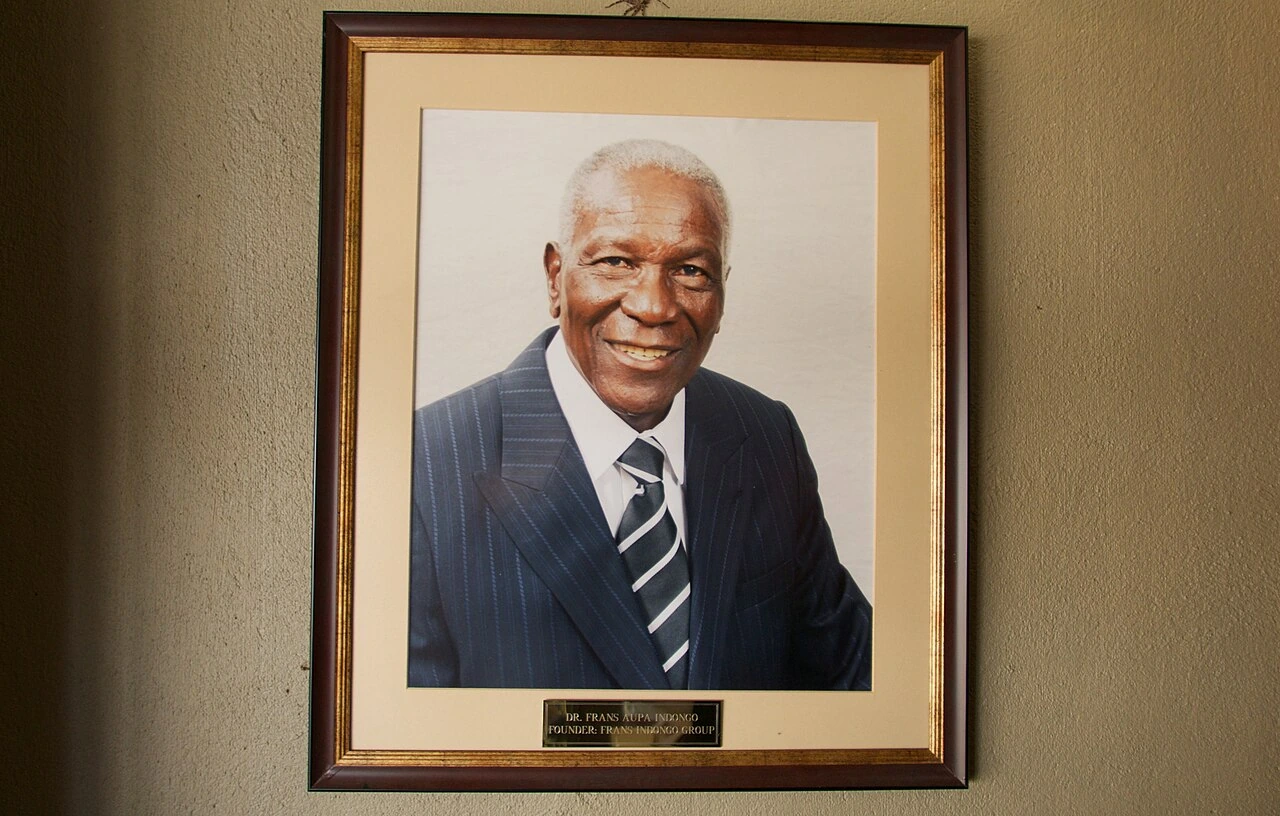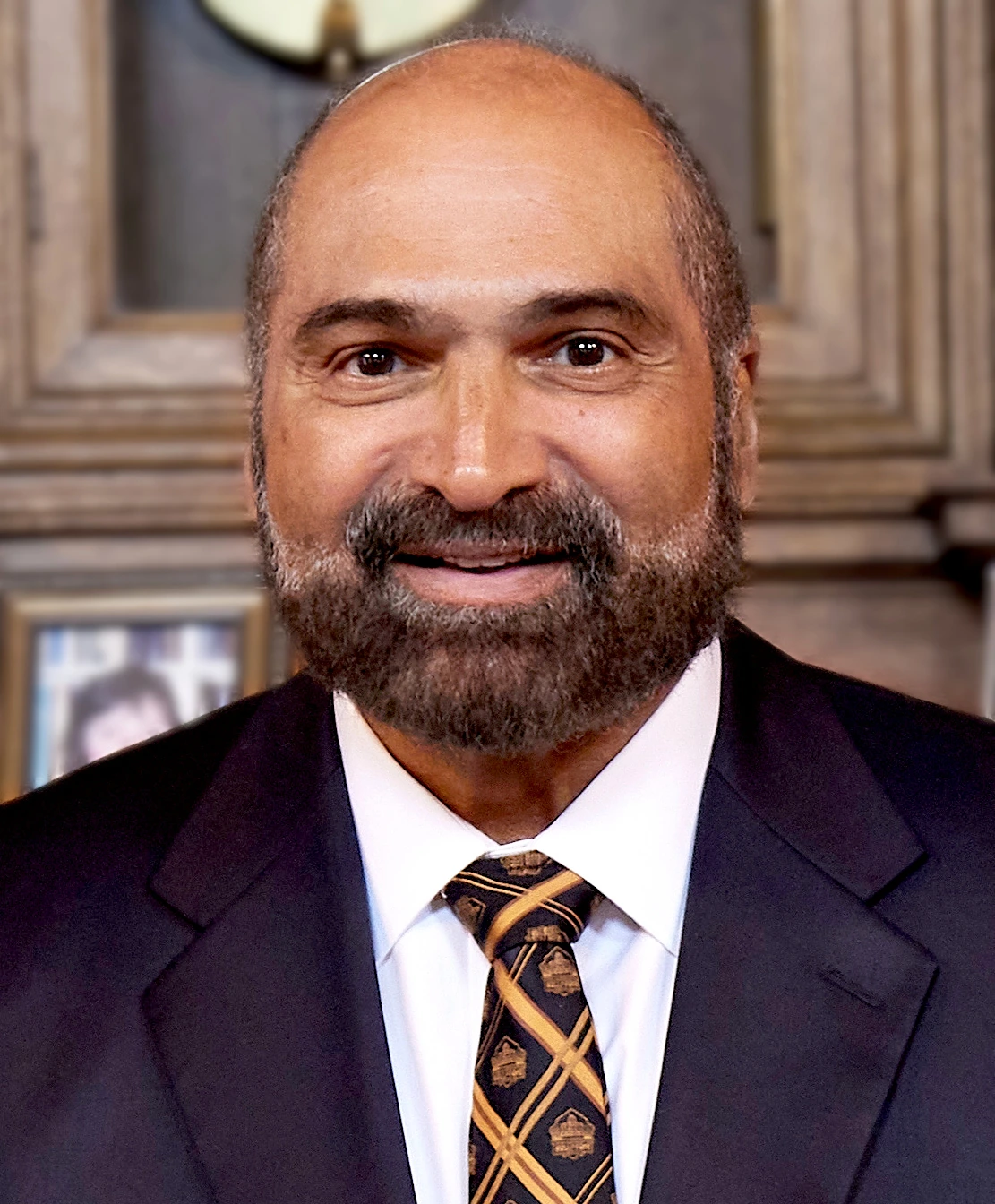
Franco Loja was an Italian cannabis geneticist and strain breeder, born in Turin on May 20, 1974, best known as a co-founder of the Strain Hunters project and a key figure at Green House Seed Company. Italian Wikipedia also identifies Franco Loja as being born in Turin on 20 May 1974 and connected to Green House Seed Company [Italian Wikipedia identifies Franco Loja as being born in Turin on 20 May 1974 and connected to Green House Seed Company](https://it. wikipedia.
Franco Loja Net Worth: Estimated Range, Sources, and Career Timeline

Marcus Holloway
26 Jun 2026
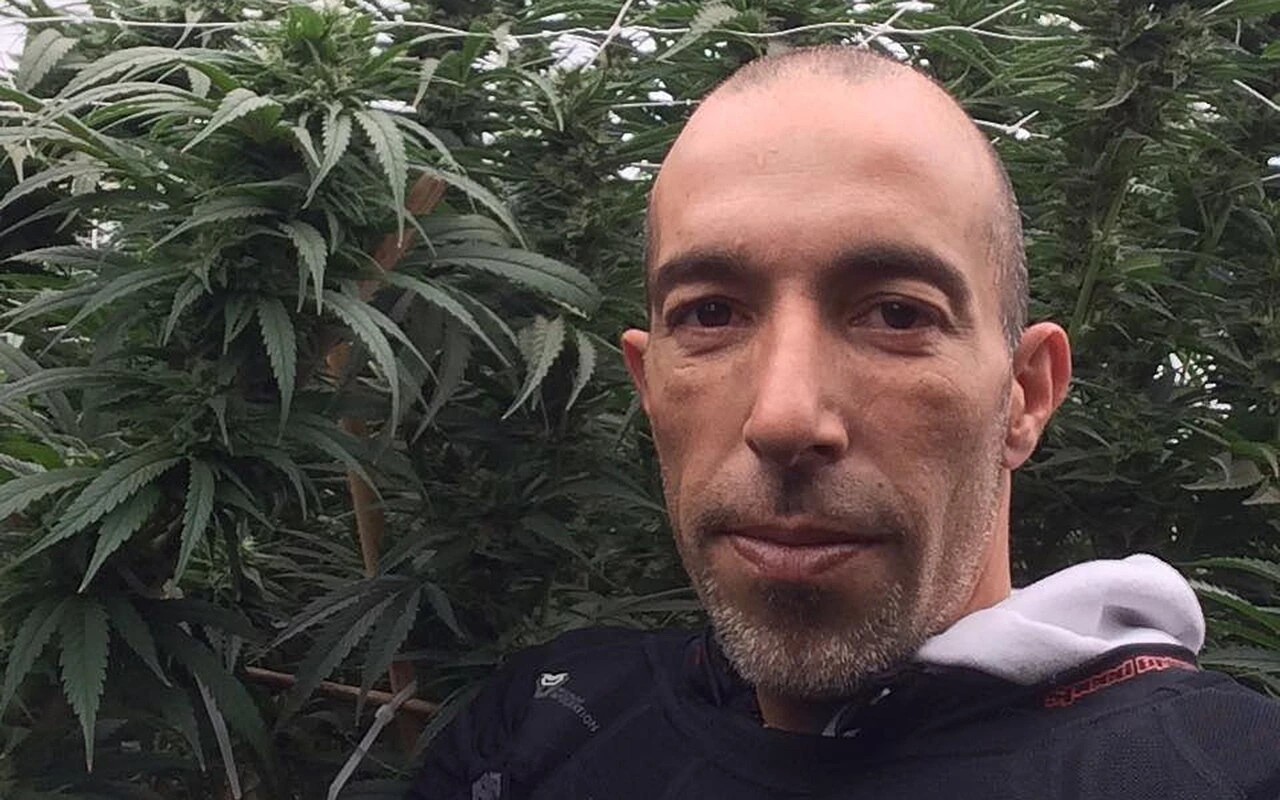
org/wiki/Franco_Loja). He passed away in early 2017 after contracting cerebral malaria on an expedition to Africa. Because his death came before he reached mainstream celebrity status, verifiable net worth figures are scarce and largely inferred from his business involvement rather than confirmed by public records. The most defensible estimate places his net worth at the time of death somewhere in the range of $500,000 to $3 million, though some aggregator sites have floated wildly different numbers without credible sourcing.
Which Franco Loja are we actually talking about?
This is the first thing worth getting straight. The name "Franco Loja" is not common, but it does get tangled up in a few different search results. The person most people are looking for when they search this query is Franco Loja the cannabis breeder and Strain Hunters co-host, sometimes referred to as "Franco Strainhunters" online. He was Italian, based primarily in Amsterdam through his work with Green House Seed Company, and appeared on the documentary series Strain Hunters, including the Congo Expedition episode that aired in August 2017 on IMDb records.
There is also at least one net-worth aggregator page that frames a "Franco Loja" as a fashion photographer, which is almost certainly a data error or identity mix-up. That page circulates figures like $100 million and $10 million with no traceable sourcing specific to the cannabis breeder. If you landed on one of those pages, you were reading the wrong profile. The cannabis geneticist and the supposed fashion photographer are not the same person, and the financial figures attached to the photographer label have no credibility when applied to Franco Loja of Green House Seeds.
How net worth gets estimated here, and why this case is harder than most
On this site, net worth estimates are built from the ground up using documented income sources: verified business ownership stakes, disclosed deal values, media contracts, royalties, public filings, and credible investigative reporting. For entertainers and athletes, there are often contracts, prize money records, and tax filings that create a paper trail. For business founders in legal industries, there are company valuations, investment rounds, and sometimes stock disclosures.
Franco Loja's situation is harder for a specific reason: Green House Seed Company operates in the cannabis industry, which was not (and largely still is not) regulated in the same way as mainstream industries. There are no public SEC filings, no IPO records, and no venture capital term sheets available for public scrutiny. Green House Seed Company is a private Dutch operation, and neither Arjan Roskam (the company's primary public-facing founder) nor Franco Loja ever disclosed personal financials to the press in a way that can be independently verified. That means any number you see for Franco Loja's net worth is inferred, not confirmed, and should be treated as a rough estimate at best.
Franco Loja's career timeline and the phases where money was made
Franco's wealth-building story tracks closely with Green House Seed Company's rise as one of the most recognized cannabis genetics brands in the world. Here is how the major phases broke down.
Early career at Green House (late 1990s through mid-2000s)

Franco joined Green House Seed Company in Amsterdam during the late 1990s, working initially as a breeder and strain developer. Amsterdam at that time was a genuine hub for cannabis genetics, and Green House was one of the companies competing seriously for Cannabis Cup recognition. Franco contributed to the development of strains including Super Lemon Haze, which went on to win multiple Cannabis Cup awards and became one of Green House's flagship commercial products. During this phase, his income would have come primarily from his role at the company, likely a combination of salary and potentially some form of profit-sharing or royalty arrangement on strains he developed. This is all inferred; no employment contracts have been published.
Strain Hunters media work (2008 through 2017)
The Strain Hunters documentary series, which Franco co-hosted alongside Arjan Roskam, added a media income layer to his profile. VICE News described the pair as the "Kings of Cannabis" and covered their expeditions to locate and preserve landrace cannabis strains from places like Africa, Asia, and South America. The series ran over several years and included the Congo Expedition, which aired in 2017 and was one of Franco's final projects before his death.
Media work like this typically generates income through licensing fees, production agreements, and the significant marketing value it creates for the associated seed brand. It is unlikely the documentary work itself made Franco wealthy, but it dramatically raised the commercial profile of the strains he helped develop and sell.
Seed sales, strain royalties, and brand equity (ongoing)
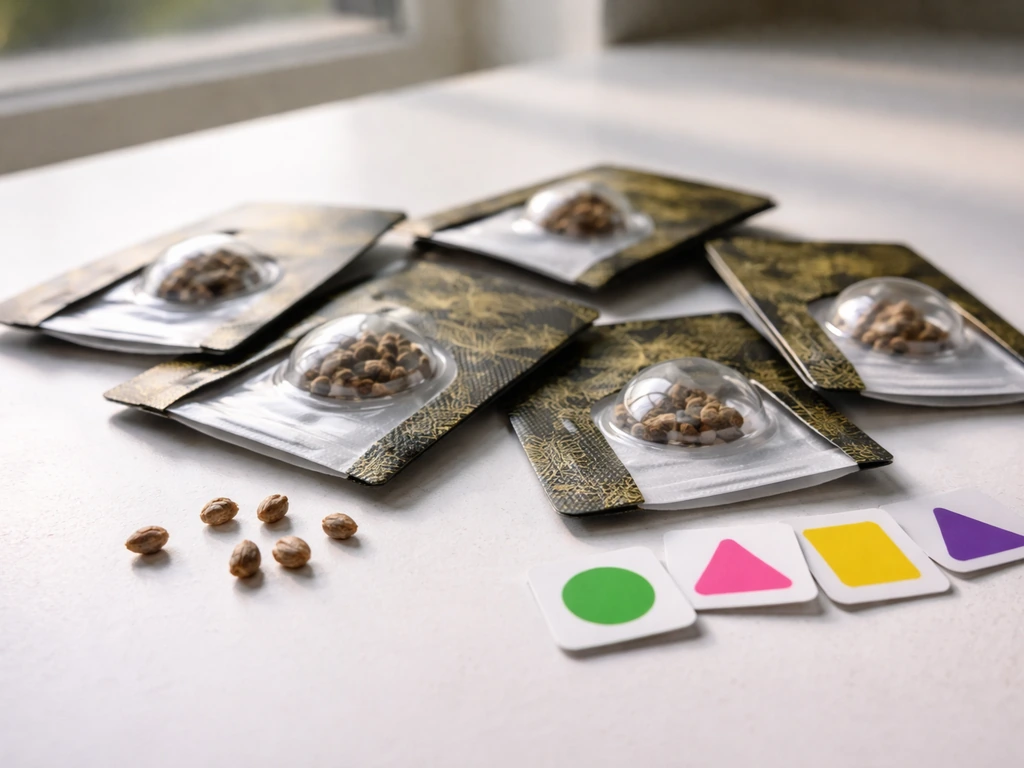
The most durable income source tied to Franco's name is strain genetics. Green House Seeds continues to sell strains that Franco developed or co-developed, and his name has since been attached to tribute strains like "Franco's Fullgas!" (Exodus Cheese crossed with Sherbert OG, selling at around $66 for five seeds at major retailers as of available pricing data) and "Franco's Lemon Cheese Feminized," which is sold with a stated commitment to direct a portion of profits to the Franco Loja fund. These post-death royalty-style arrangements are not the same as a living person collecting ongoing checks, but they do indicate that his genetic work has retained commercial value.
Documented assets and income streams
Being direct about what is actually documented versus what is inferred is important here. There is no public record of Franco Loja owning real estate, holding investment portfolios, or taking equity stakes outside of Green House Seed Company. The documented elements of his financial life are limited to the following.
- Employment and creative contributions at Green House Seed Company, spanning roughly two decades
- Co-development of commercially successful strains including Super Lemon Haze and other award-winning varieties
- Appearance fees and production income from the Strain Hunters documentary series across multiple expeditions and episodes
- The posthumous Franco Loja Foundation, held by Stichting Strain Hunters Foundation, which covers university tuition fees and living costs for his children, implying Green House Seed Company committed ongoing resources to his family
- Ongoing sales of tribute strains (Franco's Fullgas!, Franco's Lemon Cheese Feminized) with partial proceeds directed to the Franco Loja fund
What is notably absent: no disclosed ownership percentage in Green House Seed Company, no known real estate holdings, no investment accounts, no endorsement deals outside the cannabis space, and no book deals or speaking fees that have been publicly reported. His co-founder Arjan Roskam has a higher public profile and is more frequently cited in discussions of Green House's overall commercial value, which is estimated by cannabis industry observers to be in the tens of millions of dollars, but Franco's personal stake in that value is unknown.
What credible sources actually say (and what to ignore)
The credible reporting on Franco Loja comes from VICE News, Green House Seeds' own documentation, Italian Wikipedia, and cannabis-trade publications like Cáñamo. These sources confirm his identity, his career trajectory, the nature of his business involvement, and the circumstances of his death. They do not, at any point, publish a net worth figure.
The net worth figures that do circulate online, including claims of $100 million sourced to Celebrity Net Worth or The Richest, are almost certainly either misattributed (applied to the wrong person) or fabricated from thin air. If you are looking specifically for Franco Loja net worth, the most credible takeaway is that published sources do not provide a confirmed figure frans indongo net worth.
A cannabis seed breeder operating in a private, niche business, even a highly successful one, does not typically accumulate $100 million in personal net worth without some publicly traceable financial event (a company sale, a disclosed investment round, or significant real estate holdings). None of those exist in Franco Loja's case. Treat any number above $5 million for Franco Loja with serious skepticism unless a specific credible source is named.
Net worth range and what could update this estimate
The honest range for Franco Loja's net worth at the time of his death in early 2017 is approximately $500,000 to $3 million. This is consistent with a two-decade career at a successful but privately held cannabis seed company, supplemented by media work and strain royalties, in an industry where personal wealth disclosures are essentially nonexistent. The lower end of that range assumes he was primarily a salaried employee with limited equity. The upper end assumes some form of profit participation or equity stake in the Green House brand, which is plausible given his seniority and the commercial success of strains he developed.
| Scenario | Estimated Net Worth | Key Assumption |
|---|---|---|
| Conservative (salary-based) | $500,000–$1 million | Primarily employed, limited equity in Green House |
| Moderate (partial equity) | $1 million–$3 million | Some profit-sharing or royalty arrangement on developed strains |
| Inflated (aggregator claims) | $10 million–$100 million | No credible sourcing; likely misattribution or fabrication |
What could change this estimate? If Green House Seed Company were ever sold or taken public, and documents revealed Franco's ownership stake, that would revise figures significantly in either direction. If his estate published financial disclosures, or if a credible journalist reported on his personal finances with sourced documentation, this estimate could be updated. As of June 2026, none of that has happened.
The Franco Loja Foundation's ongoing operation suggests his family has been financially supported, but foundation assets are not the same as personal net worth and do not change the underlying estimate. Greenhousebrands. com says the Franco Loja Foundation is a fund held by the Stichting Strain Hunters Foundation and that it is intended to secure university tuition fees and living costs.
Name confusion to watch out for

If you are researching Franco Loja and finding numbers that seem wildly out of range, check the source carefully for these common mix-ups. First, as mentioned, at least one aggregator site frames a "Franco Loja" as a fashion photographer. This is almost certainly a data error, and the financial figures on that page should not be applied to the cannabis breeder.
Second, the name "Franco" in general turns up across several public figures in entertainment, sports, and business, and searches sometimes blend results. Athletes and musicians named Franco have entirely different financial profiles. Franco Harris, for instance, had a well-documented career in the NFL and later in business, which is a completely different wealth story from a cannabis geneticist.
If you meant a different person, note that Franco Harris has a separate, well-documented net worth story from his NFL and business career. Similarly, Franco Luambo was a legendary Congolese musician, and his net worth discussions belong in an entirely separate context.
The simplest check: if the net worth page you are reading describes Franco Loja as a fashion photographer, a musician, an athlete, or anything other than a cannabis geneticist and Strain Hunters co-host, you have the wrong person. Verify by confirming the Turin birthdate (May 20, 1974), the Green House Seed Company connection, and the Strain Hunters documentary series.
How to stay current on this estimate
Because Franco Loja passed away in 2017 and Green House Seed Company has not made major public disclosures since, this estimate is unlikely to change dramatically unless new information surfaces about the company's valuation or his estate. The best way to stay current is to monitor reporting from cannabis industry trade publications, check Green House Seeds' official announcements for any business changes, and watch for any reporting on the Franco Loja Foundation's activities. If you are trying to verify a specific number you saw elsewhere, look for the primary source behind that number. If it traces back only to an aggregator site without a named journalist or a public filing, treat it as unverified.
FAQ
How can I tell if a “Franco Loja net worth” page is mixing up the wrong person?
A fast check is to confirm three identity markers together: Turin birthdate (May 20, 1974), connection to Green House Seed Company (Amsterdam), and involvement with the Strain Hunters documentary. If the page describes him as a fashion photographer or links him to unrelated celebrities, treat the financial figure as misattributed.
Why are there no exact net worth numbers for Franco Loja even though he was famous within cannabis circles?
Because his main employer, Green House Seed Company, is a private operation, there are typically no public filings (no IPO documents, no SEC-style disclosures) that reveal personal equity, compensation breakdowns, or investment holdings. Without estate-level financial reporting, most estimates can only be inferred from career role and brand royalties.
What is the difference between strain royalties tied to his name and a living person’s personal checks?
Post-death “profit” or “fund” language attached to strains usually reflects arrangements made by the company or brand, not a confirmed bank account distribution to Franco himself. These arrangements can signal ongoing commercial value of his genetics, but they do not prove the size of Franco’s personal net worth at any specific time.
If some sites claim $10 million to $100 million, what would be required for that to be credible?
You would need at least one specific, verifiable event tied to Franco personally, such as documented ownership in Green House Seeds, a disclosed equity percentage, a sale of his stake, a named investment deal, or reliable investigative reporting citing primary documents. Absent that, very high numbers should be treated as fabricated or identity-confused.
Could Franco Loja have earned enough from strain development to reach the upper end of the estimate?
It’s plausible if he had senior-level profit participation or equity, because flagship award-winning genetics can generate long-tail revenue. However, the article notes there are no published employment contracts or disclosed ownership percentages, so the upper bound remains an assumption rather than a documented fact.
Does the Congo Expedition or other Strain Hunters episodes mean he earned large media income?
The documentary work likely increased brand awareness and sales for the genetics he helped develop, which can indirectly support long-term value. But media licensing and production payments usually do not translate cleanly into large personal wealth without confirmed contracts, so documentary credit alone is not strong evidence of high net worth.
How should I interpret “Franco Loja fund” claims without assuming it equals his estate wealth?
A foundation or fund continuing after his death is not the same as personal net worth at death. Funds can be supported by product arrangements, donations, or company commitments, and the asset pool may not represent how much Franco personally owned or received as cash during his lifetime.
What evidence would most likely update the estimate beyond the $500,000 to $3 million range?
The biggest drivers would be new documentation of his ownership stake in Green House Seed Company, credible reporting based on estate disclosures, or any company transaction that reveals valuations tied to his equity. Without those, changes to the range are usually speculative.
I found a figure but it only cites an aggregator site. Should I rely on it?
No. If the only “source” behind the number is a net-worth aggregator without a named journalist, disclosed methodology, or primary documents, the figure is typically unverified. The article’s approach prioritizes documents and reporting that can be traced back to an underlying record.
What’s the quickest method to verify the net worth number I saw online?
Look for the numeric claim’s origin: whether it names a primary source (filing, contract, estate disclosure) or just references another aggregator. If you cannot find a named, credible chain of documentation, treat the number as unreliable and default back to the article’s estimated range.